


West Gate House
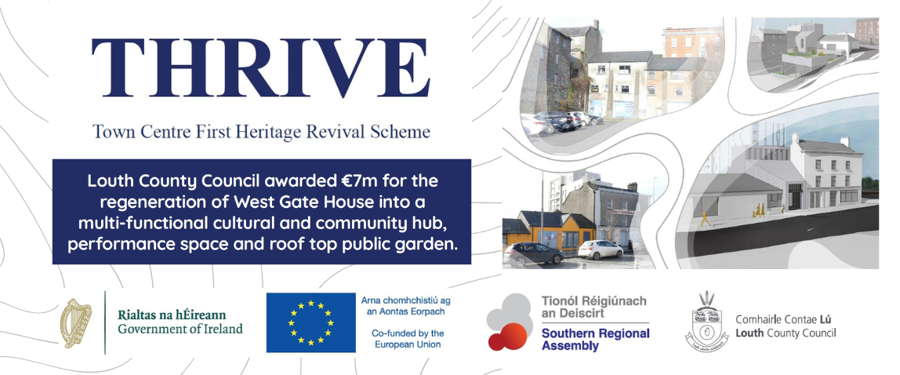
West Gate House is co-funded by the Government of Ireland and the European Union through the ERDF under the Southern, Eastern & Midland Regional Programme 2021–2027.
Tá Teach Gheata Shráid na gCapall arna chomhchistiú ag Rialtas na hÉireann agus ag an Aontas Eorpach trí Chlár Réigiúnach CFRE an Deiscirt, an Oirthir agus Lár Tíre 2021-2027.
About THRIVE
The Town Centre First Heritage Revival Scheme (THRIVE) helps local authorities bring vacant or derelict heritage buildings back into use. The aim is to support the revitalisation of town centres, making them more attractive, more sustainable, and better places for people to live, work, and visit.
THRIVE focuses on larger urban areas and provides 100% grant funding through two strands:
Strand 1 – Planning and Strategy
- Preparing integrated urban strategies
- Identifying heritage buildings that could be reused
- Developing project proposals and design work
- Creating a pipeline of future built‑heritage projects
Strand 2 – Renovation and Reuse
- Renovating vacant or derelict heritage buildings
- Bringing these buildings back into productive use
- Delivering pilot projects that show how town centres can be transformed
New European Bauhaus Principles
All THRIVE projects promote the three EU values of the New European Bauhaus:
- Beautiful: Good design that strengthens local identity and community pride
- Sustainable: Energy‑efficient buildings and environmentally responsible solutions
- Together: Inclusive, accessible spaces shaped with community input
THRIVE in Drogheda
In 2024, Louth County Council received €200,000 under THRIVE Strand 1 to prepare an Integrated Urban Strategy for the West Street area of Drogheda.
With support from Shaffrey Architects, the Council carried out extensive public consultation and engagement with local groups, businesses, and residents. This Strategy identified several possible heritage‑led regeneration projects.
West Gate House and the former Drogheda Youth Development (DYD) building were selected as strong candidates for Strand 2 funding.
Strand 2 Application: West Gate House & Former DYD Building
Through the Integrated Urban Strategy process, Louth County Council applied for THRIVE Strand 2 funding to:
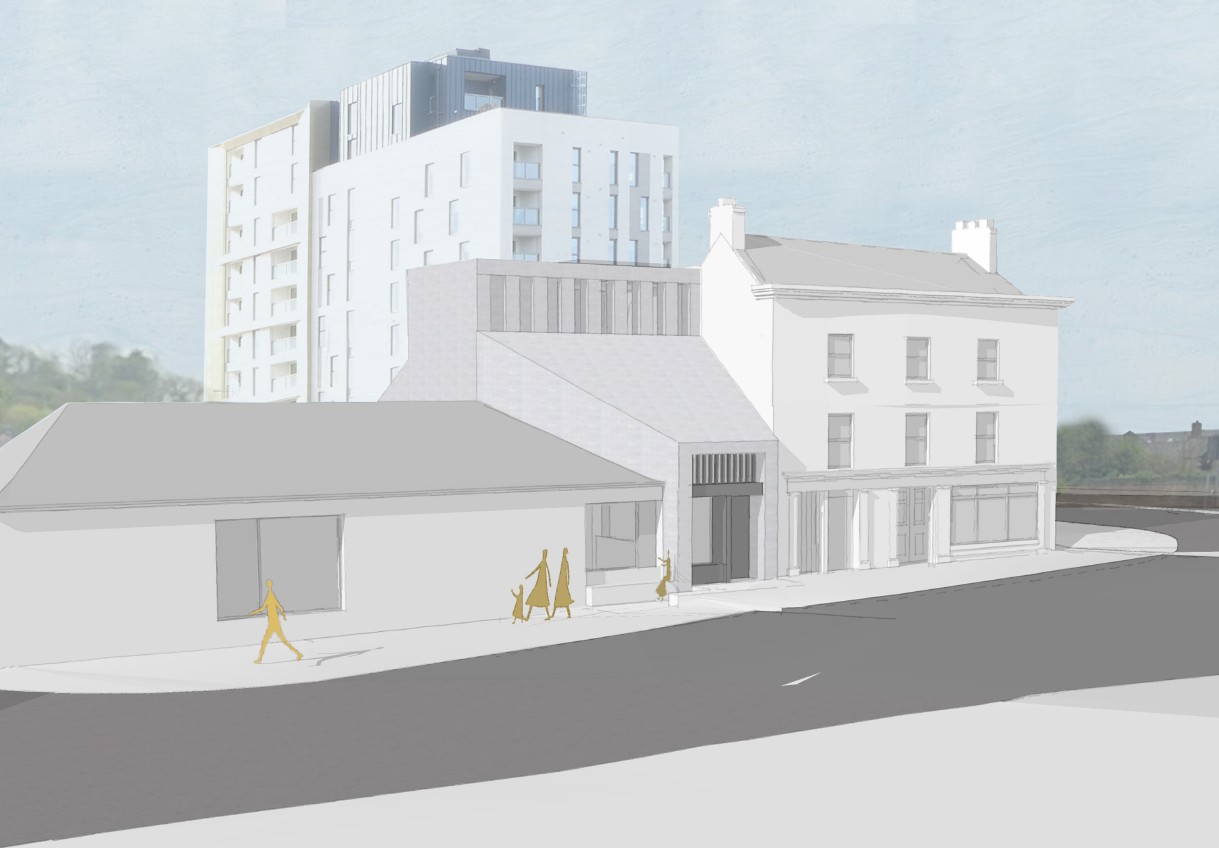
- Renovate and restore West Gate House
- Refurbish and repurpose the former DYD building
- Link both buildings with a new extension
- Create a fully accessible community facility for Drogheda
In September 2025, Louth County Council was notified that the application was successful and the project would receive €7 million in THRIVE funding.

Project Overview
The aim of the project is to transform a long‑vacant and declining heritage site into a welcoming, creative, and flexible community hub.
The development will include:
- A new flexible theatre and performance space
- A rooftop public garden
- Exhibition and gallery areas
- Artist studios and digital media facilities
- Meeting rooms for community groups and organisations
- A new extension linking the two buildings and improving accessibility
This project will give new life to an important landmark building and will support cultural activity, creativity, heritage appreciation, and community participation in the heart of Drogheda.
Historic Significance of West Gate House
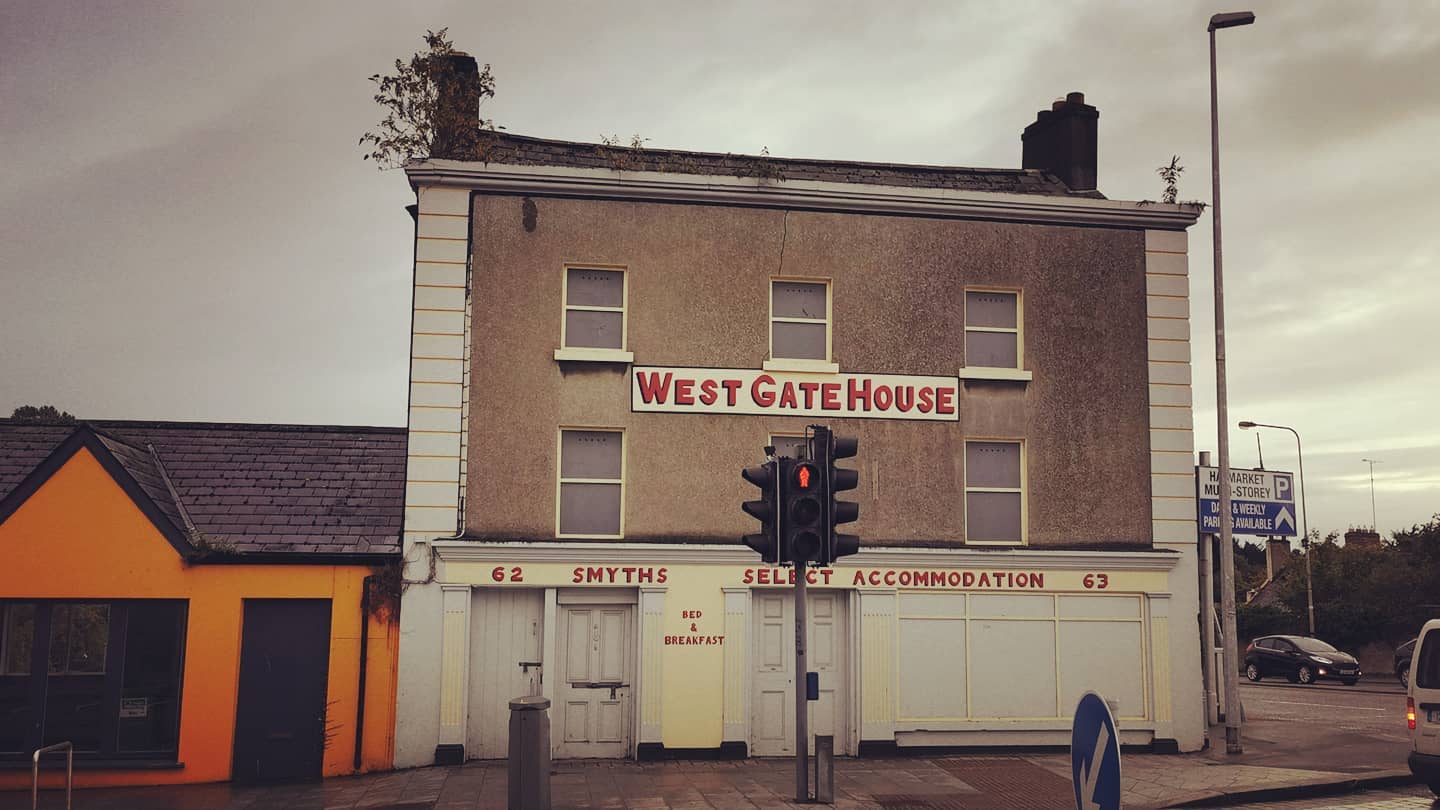
West Gate House was built around 1790 on the line of Drogheda’s 13th‑century town wall. It takes its name from the original West Gate, the main western entrance to the former walled town.
The Irish translation for West Gate House, 'Teach Gheata Shráid na gCapall', references the presence of horse stables on West Street when ‘fine horses would be seen galloping at a breakneck speed along West Street to show off their quality in the days leading up to the May 12th Annual Fair in the town.
The redevelopment will preserve the building’s historic features while adapting it for modern community use, ensuring that its story remains part of Drogheda’s identity for generations to come.
Expected Outcomes
When completed, the project will deliver:
- A restored heritage building brought back into meaningful public use
- A new cultural and creative hub in the town centre
- Opportunities for performance, art, learning, and digital media
- A civic space that is open, accessible, and inclusive
- A strong example of how heritage buildings can support town‑centre renewal
- A project shaped by the community, for the community
Links and Documents
- Further information about the THRIVE scheme and the ERDF Southern, Eastern & Midland Regional Programme
- Planning Drawings and Documents
- Integrated Urban Strategy for Drogheda Heritage Quarter and West Street Area
- Drogheda Museum - The Era of the Horse: The Big Fair Day
- Progress Update: March 2026
- Press Release: Louth County Council Appoints Shaffrey Architects for West Gate House Project
- Inside West Gate House: New Drone Footage Shows Progress on THRIVE Project

